Schedule

Join Practical Sessions and Peer Conversations That Turn Standards into Action

Special Events and Perks
Tactical26 Web Schedule_First Timers 800x640.png

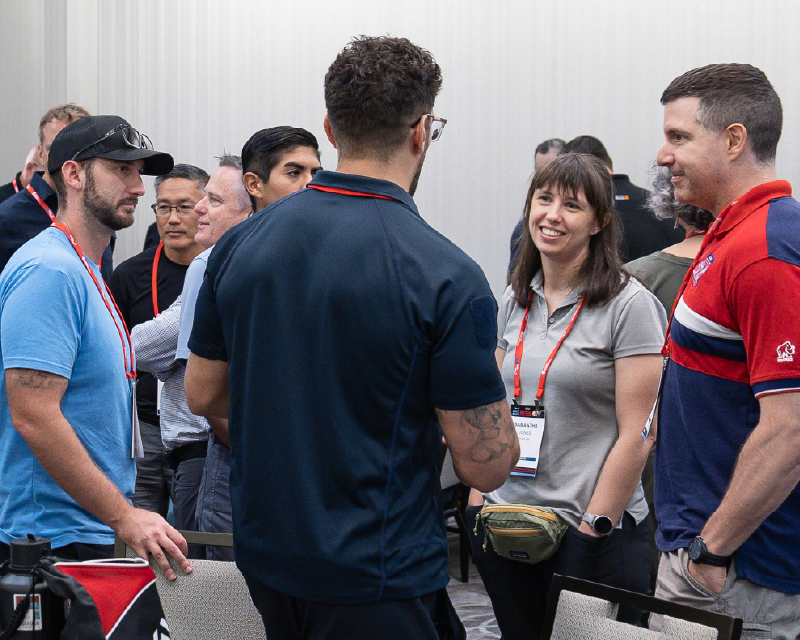
First Timer’s Orientation

Monday, August 17 | 3:00 – 3:50 pm

New to NSCA events? Join us to meet key volunteers, learn how to get more out of your experience, and discover opportunities to advance your career.

Included with In-Person Registration
Tactical26 Web Schedule_Awards 800x640.png

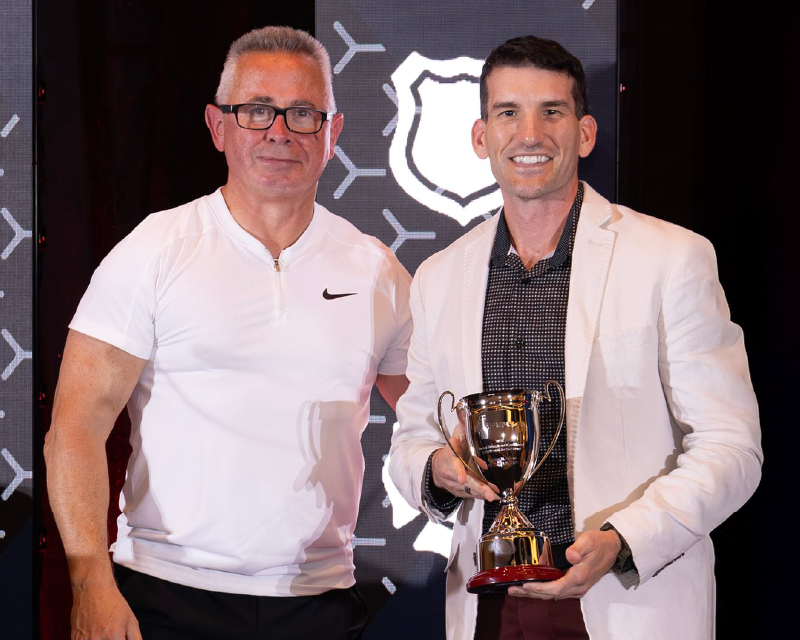
Opening Ceremonies & Awards

Monday, August 17 | 4:00 – 5:30 pm

Celebrate your 2026 Tactical Awards winners, hear an update on NSCA’s efforts for the tactical profession, and get inspired by MG Colin Tuley.

Included In Person & Streamed Live

Tactical26 Web Schedule_Kickoff 800x640.png

Kick-Off Reception

Monday, August 17 | 5:30 – 7:30 pm

Close out Day 1 with great conversations and new connections. Join fellow attendees and exhibitors in the Exhibit Hall for complimentary food and drinks.

Included with In-Person Registration
Tactical26 Web Schedule_Party 800x640.png

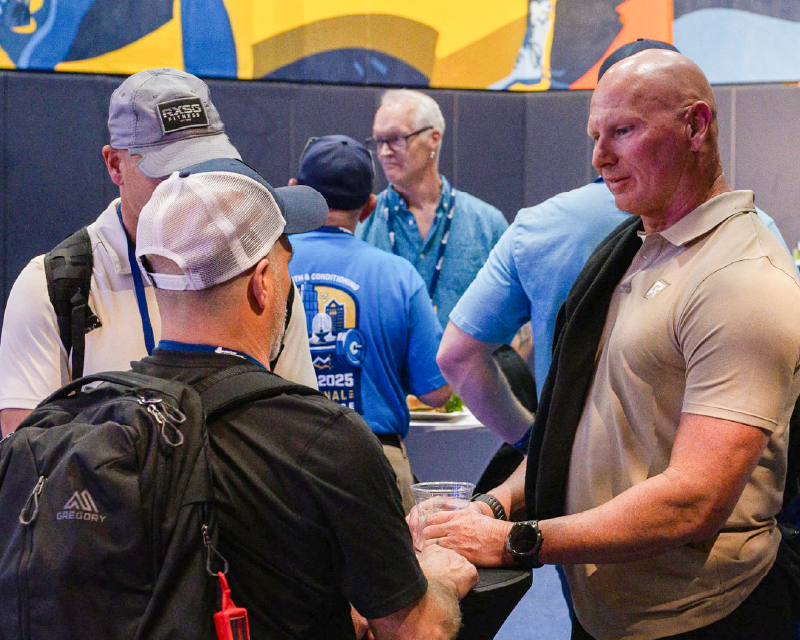
NSCA Party

Tuesday, August 18 | 5:30 – 7:00 pm

Keep the conversations going with people who understand the job. Connect over food and drinks in a relaxed setting with other attendees and exhibitors.

More Details Coming Soon
Included with In-Person Registration
Tactical26 Web Schedule_Breakfast 800x640.png

Light Breakfasts

Tuesday, August 18 | 7:30 – 9:30 am
Wednesday, August 19 | 7:30 – 9:00 am
Thursday, August 20 | 7:30 – 9:00 am

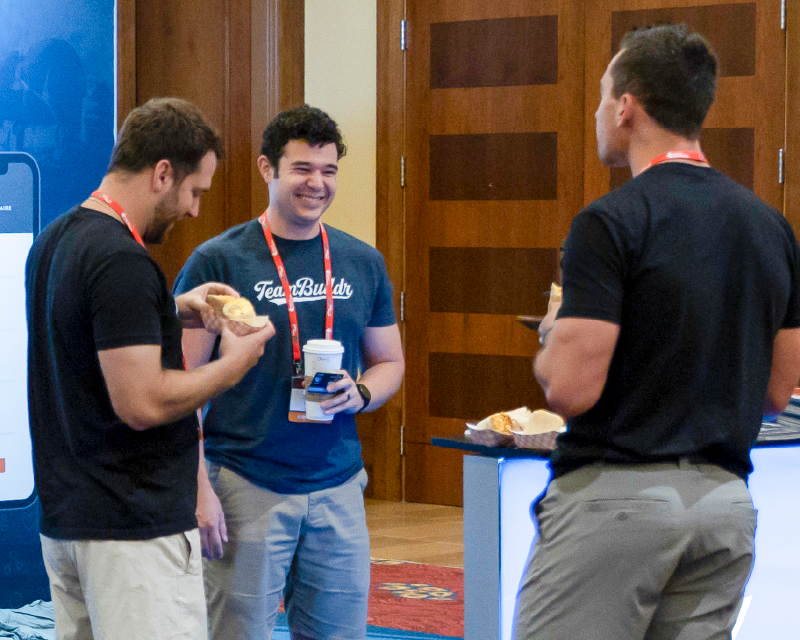
Fuel up with breakfast, coffee, and whole fruit in the Exhibit Hall.


Included with In-Person Registration
Tactical26 Web Schedule_Lunch 800x640.png

Lunch Breaks

Tuesday, August 18 | 11:30 am – 1:00 pm
Wednesday, August 19 | 11:30 am – 1:00 pm

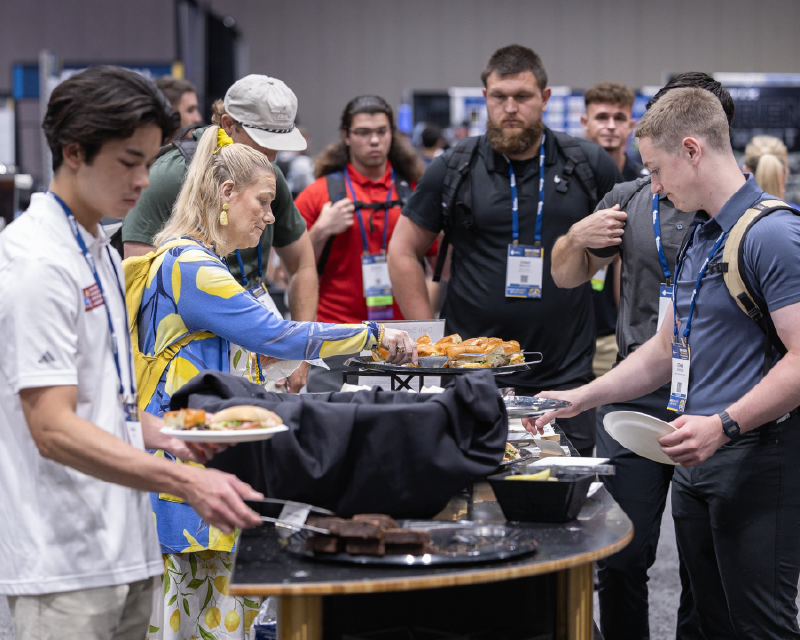
Grab a provided lunch, catch up with peers, and take time to explore the latest tools and technologies in the Exhibit Hall.

Included with In-Person Registration


Exhibit Hall

Evaluate Solutions for Tactical Performance

See the latest tools, technology, and systems used across tactical performance, all in one place. From wearables and monitoring platforms to recovery modalities and training equipment, determine what fits your environment before you invest.

Raquel Hernandez, CSCS
Holistic Health and Fitness (H2F) Strength & Conditioning Coach, U.S. Army
NSCA Tactical 2025 Attendee

“Very professionally organized event. I was able to make lots of connections and network, and the exhibit hall was full of relevant booth holders.


Full Schedule

Event Itinerary - Monday, August 17 - Eastern Time
8:00 AM - 4:00 PM
Exhibitor Move-in/Set-up
8:00 AM - 5:30 PM
Registration Open
1:00 PM - 5:00 PM
NSCA Store Open
3:00 PM - 3:50 PM
First Timer's Orientation
4:00 PM - 5:30 PM
Opening Ceremonies, Awards, & Keyonte: Forging the Human Weapon System: The Future of Holistic Readiness in the Tactical Force
by Major General Colin Tuley

streamed live banner

Join us for a brief update on what NSCA is doing for the Tactical profession, followed by the Keynote presenter, Major General Colin Tuley.

  1. Understand the H2F System- How the H2F architecture transforms the tactical athlete by integrating physical, nutritional, cognitive, sleep and spiritual domains into one unified human performance system.
  2. Recognize the Power of Interdisciplinary Integration - Learn how embedded Strength Coaches, ATs, PTs, OTs, Dietitians, and Cognitive Specialists create a seamless continuum of care from injury to return-to-duty, and how this model accelerates readiness and lethality.
  3. Apply Data-Driven Human Performance Practices - Identify how objective metrics, field-embedded analysis, and shared decision-making reshape training plans, enhance leader development, and elevate operational outcomes across formations.


5:30 PM - 7:30 PM
Kick-Off Reception

All exhibitors and attendees welcome

Event Itinerary - Tuesday, August 18 - Eastern Time
7:00 AM - 5:00 PM
Registration Open
7:30 AM - 9:30 AM
Breakfast in Exhibit Hall

See the latest in technology and training tools by visiting the exhibitors.  A breakfast sandwich, coffee and whole fruit will be provided.

all attendees and exhibitors welcome

7:30 AM - 9:30 AM
Morning Workouts Available: Sorinex Squat Party – BeaverFit Trailer Workout & Water

More details to come

8:30 AM - 9:20 AM
Tactical Strength & Conditioning Professional Development Group (PDG) Meeting

Grow as a professional and connect with peers during this meeting. Discover resources, share your knowledge, and get your questions answered.

8:00 AM - 4:30 PM
NSCA Store Open
9:30 AM - 10:20 AM
Implementation of Long Term Development Plan for Law Enforcement
by Matt Krause, MA, ATC, CSCS,*D, RSCC*E

5sl.PNG

  1. This section shows the importance How to build a Long-Term Development plan for Health & Human Performance in Law Enforcement
  2. How to build a staff with properly credentialed professionals. Implementing assessments, how to collect data and implement programming to positively impact the entire agency.
  3. How to interpret the data from assessments and develop individual programs.
  4. Discuss new technologies and Sport Science in assisting the Training Division on improving organization in skill acquisition.

Lecture sponsored by Perform Better

9:30 AM - 10:20 AM
Hormones Under Fire: Nutrition for Tactical Performance and Long-Term Health
by Kelsey Bailey, MS, RD, CSCS, NSCA-CPT
  1. Explain how chronic stress, sleep disruption, and nutritional habits influence key hormones (e.g., cortisol, testosterone, estrogen, insulin) and impact performance, recovery, and readiness in tactical professionals.
  2. Identify common lifestyle and operational factors (e.g., shift work, sleep debt, under-fueling) that contribute to hormonal dysregulation in first responder and military populations.
  3. Apply practical strategies related to fueling, and nutrition-related opportunities to improve sleep and stress to support hormonal balance, improve recovery, and sustain operational performance.

Lecture

9:30 AM - 10:20 AM
Off Axis, On Target: Rethinking the Squat for Operators
by Tex McQuilkin, MS, CSCS*D
  1. Identify common musculoskeletal injury patterns in tactical operators and explain how occupational demands combined with predominantly bilateral and sagittal plane training may reinforce these vulnerabilities.
  2. Differentiate squat variations that address asymmetrical loading, multi-planar movement, and load carriage demands relevant to tactical performance.
  3. Apply progressive squat variation strategies to improve skill transfer, durability, and movement efficiency in tactical populations.

Hands-On

10:30 AM - 11:20 AM
Beyond the Uniform: Rebuilding Purpose and Tribe for Lifelong Tactical Resilience
by Ryan Padgett, RET Air Force Chaplain

streamed live

  1. Understand how identity disruption affects stress regulation, motivation, injury recovery, and long-term performance in tactical populations 
  2. Assess Purpose, Home, and Tribe to identify identity-related vulnerability and resilience gaps during transition, injury, or role change 
  3. Apply the TEARS reinvestment model to support sustainable resilience, engagement, and post-uniform performance beyond a single role

Lecture

10:30 AM - 11:20 AM
Periodize the Suck: Better Performance Through Sub-Optimal Training
by Austin Womack, MS, CSCS, TSAC-F
  1. Highlight the flaws in both “embrace the suck” and “avoid the suck” approaches
  2. Explain the methodology behind periodize the suck
  3. Provide 10+ examples of practical ways to periodize the suck'

Lecture

10:30 AM - 11:20 AM
Performance Programming for Military Rucking: Improving Output While Reducing Structural Cost
by Zack Nielsen, MS, CSCS*D, TSAC-F*D, RSCC and Cory Gilday, MS, CSCS
  1. Outline the unique biomechanical and physiological demands of military rucking.
  2. The role of traditional compound lifts such as the squat and deadlift will be discussed as a means of developing general strength characteristics, while also addressing the point of diminishing returns when excessive axial loading is emphasized.
  3. The discussion then transitions to ruck-specific “sport strength” strategies with greater transfer, including loaded carries, yoke walks, sled pushes, and sled drags

Hands-on

11:30 AM - 1:00 PM
Lunch Break (provided)

Carve out time to visit all the exhibitors – leaders in equipment, nutrition, and cutting-edge technology.  We’ll also be providing lunch!

Unopposed exhibit hall time

1:00 PM - 2:20 PM
Embedded for Impact: A Panel on Culture, Trust and Effectiveness in Special Operations Units
by Deb Canada, LTC, U.S. Army (retired), John W. Doolittle, Captain, U. S. Navy, (retired) and Thaddeus Allen, Colonel, U. S. Air Force (retired)
  1. What operators and leaders expect from embedded human performance professionals
  2. What actions build credibiity, what erodes it and why cultural understanding is so important

Lecture moderated by Jay Dawes, PhD, CSCS, NSCA-CPT, TSAC-F, FNSCA

1:00 PM - 2:20 PM
Navigating the Tactical Fitness Crisis: Practical, Evidence-Based Interventions
by Rob Orr, PhD, TSAC-F
  1. Attendees will be able to describe the primary factors impacting tactical personnel fitness and readiness.
  2. Attendees will learn how to translate current research into practical interventions such as pre-joining conditioning and ability-based training models. 
  3. Attendees will gain the skills to design and implement strategies that sustain physical capability and resilience across the occupational lifespan of tactical populations.

Lecture

1:00 PM - 2:20 PM
Charge Your Brain! How to Specify Your Training
by Steven Glamcevski, CSCS
  1. This presentation will help you identify physical and mental performance needs of your population. It will show you how to create drills for the identified needs to improve general capabilities which may be progressed and later specified as improvement is shown. Both “high” and “low” tech options will be discussed to fit every budget.
  2. The presentation will also show how to structure and plan your training program to include mental performance drills without taking away what you are trying to accomplish physiologically. 

Hands-on

1:00 PM - 1:50 PM
Hormones Under Fire: Nutrition for Tactical Performance and Long-Term Health
by Kelsey Bailey, MS, RD, CSCS, NSCA-CPT

Chalk talks give the attendee an opportunity to participate in the discussion as Kelsey Bailey is available to delve further into her topic.

Chalk Talk

2:30 PM - 3:20 PM
When the Weight Isn't on the Bar: Mental Health First Aid in Tactical Coaching
by Brad Holingsworth, CSCS, TSAC-F

streamed live

  1. Introduce the concept of Mental Health First Aid.
  2. Describe why a Tactical Strength & Conditioning Coach should receive MHFA training and how to implement it. 
  3. Learn how to integrate MHFA into a multidisciplinary team including LCSW and Psychologists.

Lecture

2:30 PM - 3:20 PM
Developing A Data Driven System In Tactical Populations
by Ryan Carroll, CSCS*D and Paul Lane, CSCS, RSCC
  1. Understand the current ecosystem for data collection, from procurement to collection.
  2. Develop a model for moving data from external inputs into different repositories to show the data via dashboards.
  3. Learn to communicate key data driven insights to Battalion, Brigade, and Division level leadership.

Lecture

2:30 PM - 3:20 PM
Redefining Tactical Physical Therapy: Proactive Operational Readiness
by Douglas Briggs, PhD, CSCS*D, RSCC,*E
  1. Current Terminology
  2. Reason for changing from "Injury Control" to "Tactical Performance Restoration" 
  3. Proposed Path Forward using the new terminology.

Hands-on

3:30 PM - 4:20 PM
From VO2MAX to the Fireground: How Standards Shape Training, Careers, and Health
by Jacob Mota, PhD, CSCS, *D and Michael Conner

5sl.PNG

  1. How aerobic and performance standards are written, revised, and defended.
  2. Where the underlying science is strong, where it is outdated, and where non-scientific pressures enter.
  3. How standards unintentionally distort training priorities and health outcomes.
  4. What coaches and clinicians can do now to protect performance and health without waiting on formal revisions.

Lecture

3:30 PM - 4:20 PM
Cognitive Performance in Tactical Athletes: A Unified Framework
by Mark Stephenson, MS, CSCS,*D, TSAC-F,*D
  1. Distinguish psychological and physiological contributors to cognitive performance in tactical athletes. 
  2. Analyze how psychological and physiological systems interact to influence decision making under stress.
  3. Apply an integrated biopsychophysiological framework to evaluate and enhance cognitive readiness in tactical populations.

Lecture

3:30 PM - 4:20 PM
Mace Tactics: Unconventional Strength for the Tactical Athlete
by David Pederson, CSCS*D, TSAC-F
  1. How to perform the movements.
  2. How to teach the movements.
  3. Why these can help your athletes.

Hands-On

3:30 PM - 4:20 PM
Navigating the Tactical Fitness Crisis: Practical, Evidence-Based Interventions
by Rob Orr, PhD, TSAC-F

Chalk talks give the attendee an opportunity to participate in the discussion as Rob Orr is available to delve further into his topic.

Chalk Talk

4:30 PM - 5:20 PM
Speed Saves Lives: Training for Tactical Survivability
by Martin Rooney, CSCS

5sl.PNG

  1. Explain the relationship between sprint speed and survivability in tactical populations, including how reduced exposure time impacts real-world outcomes.
  2. Design safe and effective speed training progressions for adult tactical professionals that account for age, load, and occupational demands.
  3. Implement practical warm-up and sprint training strategies that improve acceleration, reaction ability, and long-term physical resilience.

Lecture sponsored by Perform Better

4:30 PM - 5:20 PM
Intent vs. Impact: An Active Duty Perspective on Operationalizing Human Performance
by Joseph Stitch, CSCS, TSAC-F
  1. Analyze common HP program failures through the DOTMLPF-P framework, identifying specific gaps in Doctrine, Training, and Policy.
  2. Define the critical role of the "Enabler" (Force Fitness Instructor) as a cost-effective solution to the Personnel and Training capability gaps.
  3. Develop practical communication strategies to align HP goals with Unit Mission Essential Tasks (METLs), ensuring buy-in from both commanders and junior service members.

Lecture

4:30 PM - 5:20 PM
Police Defensive Tactics: A Biomechanical Approach
by Shayan Emamjomeh, MS, CSCS and Marci Guzman, TSAC-F
  1. Analyze defensive tactics techniques using fundamental biomechanical principles to identify mobility, stability, and motor-control demands.
  2. Design targeted warmups and micro-drills that directly support DT execution and address common law-enforcement injury mechanisms.
  3. Implement a practical, time-efficient integration model that helps S&C improve tactical training goals and increase skill transfer.

Hands-On

4:30 PM - 5:20 PM
Developing A Data Driven System In Tactical Populations
by Ryan Carroll, CSCS*D and Paul Lane, CSCS, RSCC

Chalk talks give the attendee an opportunity to participate in the discussion as Ryan Carroll is available to delve further into his topic.

Chalk Talk

5:30 PM - 7:00 PM
NSCA Party

All attendees & exhibitors welcome

Event Itinerary - Wednesday, August 19 - Eastern Time
7:30 AM - 5:00 PM
Registration Open
7:30 AM - 9:00 AM
Light Breakfast (provided)

See the latest in technology and training tools by visiting the exhibitors.  A breakfast sandwich, coffee and whole fruit will be provided.

Unopposed exhibit hall time

8:00 AM - 4:30 PM
NSCA Store Open
9:00 AM - 9:50 AM
The Art of Connection: How to Immediately Increase the IMPACT of Your Coaching
by Mike Caro, MS, CSCS,*D, RSCC, USAW

streamed live

  1. Participants will learn the IMPACT framework for establishing an effective culture in their program and/or with their coaching.
  2. Participants will learn to identify basic communication styles and how to adjust their communication style to suit the situation/person receiving.
  3. Participants will discover common issues coaches encounter in coaching their athletes. 

Lecture

9:00 AM - 9:50 AM
Blaming the System while Being the System: Taking Ownership of Team Dynamics to Deliver Better Performance
by Catherine MacDonell, MS, CSCS, RSCC, TSAC-F, USAW
  1. Execute targeted interventions that harden team cohesion, reinforce accountability, and improve the quality and reliability of outcomes.
  2. Examine systematic breakdowns within human performance teams by identifying recurring patterns, misalignments, and gaps that undermine program effectiveness.
  3. Apply practical framework to intentionally strengthen team dynamics, building high performing systems of sustainable success.

Lecture

9:00 AM - 9:50 AM
CNS Optimization & Activation - Rapid Readiness Micro-Protocol
by Stewart Edmondson, MS, LMT, CSCS*D, USAW
  1. Apply a rapid Zone 1 neuromuscular activation micro-protocol to improve hip and trunk readiness prior to training or operational tasks in law enforcement and public safety populations.
  2. Assess and re-test neurological output using simple field measures (manual muscle testing and grip strength) to inform warm-up decisions, readiness adjustments, and training modifications.

Hands-On

10:00 AM - 11:20 AM
All This Data…Now What? The Wearables ‘So What’ Panel
by Spencer Posey, Chris Myers and Anthony Acevedo

streamed live

  1. Identify which wearable metrics actually matter for tactical readiness, and which can be ignored.
  2. Apply simple decision frameworks to convert wearable data into training and recovery actions.
  3. Understand how to use human data to influence behavior and inform unit-level decisions without eroding trust.

Lecture is sponsored by Garmin

10:00 AM - 11:20 AM
Science Versus: A Scientist’s Outcome Oriented Interpretation of Operator, Coach, and Leadership Vantages
by Nate Palin, MS, CSCS and Chris Frankel, PhD
  1. Appreciate the programmatic perspectives of operators, coaches, and leadership
  2. Lean on scientific methods to separate noise from substance in priority identification
  3. Leverage your expertise to enhance cradle to grave operator durability 

Lecture

10:00 AM - 11:20 AM
ELDOA For Spinal Health
by Joshua Gregoire, MS, CSCS, ATC-L
  1. What is ELDOA?
  2. How to progress and regress the ELDOA exercises
  3. How ELDOA fits into a broader S&C program

Hands-on

11:30 AM - 1:00 PM
Lunch Break (provided)

Carve out time to visit all the exhibitors – leaders in equipment, nutrition, and cutting-edge technology.  We’ll also be providing lunch!

Unopposed exhibit hall time

1:00 PM - 1:50 PM
Training in Managed Chaos-Building High Performers in Low-Predictability Environments
by CJ French, MEd, CSCS, RSCC*D

streamed live

  1. Provide a practical framework for building a training program with constraints.
  2. Identifying minimum effective doses for strength, power, and conditioning.
  3. Building modular programs that adapt without losing purpose.

Lecture

1:00 PM - 1:50 PM
Optimizing Tactical Readiness: New Approaches to Conditioning Prescription and Performance Evaluation
by Nathan Dicks, Ph.D., CSCS, *D, TSAC-F, *D and Robert Pettitt, PhD, CSCS
  1. Apply evidence‑based methods for deriving interval training prescriptions using the 3‑min all‑out test and critical speed/power modeling to improve conditioning for running, load carriage, and rowing tasks. 
  2. Identify and interpret key physiological and psychometric indicators of internal load, including measures such as oxygen uptake, muscle oxygen saturation, heart rate response, and perceived exertion, to enhance monitoring and training evaluation in tactical populations. 
  3. Evaluate the effectiveness of high‑intensity interval training structures by understanding how different interval configurations influence internal load, fatigue, and performance outcomes during tactical conditioning.

Lecture

1:00 PM - 1:50 PM
Bridge the Gap Lecture: Creating Ability Based Training Assessments and Systems for Law Enforcement Recruits
by Andrew Shim, EdD, CSCS,*D, FNSCA and Ian Bonder, MS, CSCS,*D, RSCC, USAW
  1. Demonstrate the importance of ability based training (ABT) in law enforcement academies to reduce injury rates and individualize academy physical training.
  2. Provide a comprehensive breakdown of the creation of a training system and assessments to implement ABT.
  3. Participate in a hands on physical screening to create training groups of similar ability levels.

Hands-on

1:00 PM - 1:50 PM
Science Versus: A Scientist’s Outcome Oriented Interpretation of Operator, Coach, and Leadership Vantages
by Nate Palin, MS, CSCS and Chris Frankel, PhD

Chalk talks give the attendee an opportunity to participate in the discussion as Nate Palin is available to delve further into his topic.

Chalk Talk

2:00 PM - 2:50 PM
The Renaissance Coach: Weaponizing Non-Traditional Skills to Pioneer Fire Service Human Performance
by Conner Freeland, MS, CSCS and Drew Stewart, CSCS
  1. Navigate the phases and challenges of building a human performance program from the ground up.
  2. Learn how to leverage diverse skill sets to amplify program credibility and organizational impact.
  3. Optimize outcomes through creative problem-solving in constraint-driven environments.

Lecture

2:00 PM - 2:50 PM
Hydration Under Pressure
by Megan Lautz, MS, RD, CSCS, TSAC-F
  1. Understand the science of optimizing hydration status.
  2. Recall realistic strategies for improving hydration on shift and on the fireground.
  3. Review the use of electrolyte products in various fire department settings, including which products to use based on the scenarios.

Lecture sponsored by DripDrop Hydration

2:00 PM - 2:50 PM
Training that Translates: Optimizing Officer Readiness
by J.D. Edwards, TSAC-F
  1. Demonstration of benefits of increased hip mobility.
  2. Developing exercises that draw from tactical skills.
  3. Learning how to integrate tactical skills into fitness programming.

Hands-on

3:00 PM - 3:50 PM
Scalable Readiness Monitoring in Tactical Populations: From Elite Sport to the Fireground
by Alex Redshaw, MS

streamed live banner

  1. Explain the roles of subjective and objective readiness monitoring tools.
  2. Provide attendees with scalable and tangible readiness tracking protocols to implement with this own athletes.

Lecture

3:00 PM - 3:50 PM
Operationalizing H2F in the USAR and ARNG: Turning Strategy into Readiness
by Lt. Col. Joe Cruz, CSCS, RSCC*D & Nick Rice, CSCS, NSCA-CPT, TSAC-F
  1. Develop a data-capture and assessment framework that drives effective decision-making and system adaptation.
  2. Build and resource a functional H2F implementation strategy.
  3. How to overcome compos-specific constraints i.e. funding, procurement.

Lecture

3:00 PM - 3:50 PM
Bridge the Gap Practical: Creating Ability Based Training Assessments and Systems for Law Enforcement Recruits
by Andrew Shim, EdD. CSCS*D FNSCA and Ian Bonder, MS, CSCS,*D, RSCC
  1. Demonstrate the importance of ability based training (ABT) in law enforcement academies to reduce injury rates and individualize academy physical training.
  2. Provide a comprehensive breakdown of the creation of a training system and assessments to implement ABT.
  3. Participate in a hands on physical screening to create training groups of similar ability levels.

Hands-on

4:00 PM - 4:00 PM
Exhibit Hall Closes - Exhibitors begin move-out
3:00 PM - 3:50 PM
Training in Managed Chaos-Building High Performers in Low-Predictability Environments
by CJ French, MEd, CSCS, RSCC*D

Chalk talks give the attendee an opportunity to participate in the discussion as CJ French is available to delve further into her topic.

Chalk Talk

4:00 PM - 4:50 PM
Tactical Athlete TBI Recovery: Movement & Nutrition
by Rebecca Rouse, TSAC-F, USAW

streamed live banner

  1. Learn how traumatic brain injuries occur, as well as their impact on cognitive and physical performance, short and long-term health, and quality of life.
  2. Understand evidence-based rehabilitation protocols that combine functional neurology with functional movement to optimize recovery, reduce pain, and improve long-term health outcomes for tactical athletes with TBI.
  3. Discover the role of targeted nutrition in TBI recovery, including the use of anti-inflammatory foods and specific supplements that support brain health and healing.

Lecture

4:00 PM - 4:50 PM
Mission-Critical Vision: Evaluation and Enhancement for Tactical Teams
by Dylan Seeley, DC, CSCS
  1. Learn how to evaluate vision and vestibular systems.
  2. Learn how training can impact these systems.
  3. Learn how to address these deficiencies.

Hands-on

Event Itinerary - Thursday, August 20 - Eastern Time
7:30 AM - 11:00 AM
Registration Open
7:30 AM - 9:00 AM
Light Breakfast (provided)

See the latest in technology and training tools by visiting the exhibitors.  A breakfast sandwich, coffee and whole fruit will be provided.

8:00 AM - 10:30 AM
NSCA Store Open
8:00 AM - 8:50 AM
Operational Readiness Across the Perinatal Continuum: Advancing the Science of Training Tactical Women
by Annmarie Chizewski, PhD, CSCS, USAW and Tessa Kochel, PhD, CSCS

streamed live banner

  1. Apply cutting-edge trimester-specific programming , including evidence-based implementation of HIIT and heavy-load resistance training throughout pregnancy for tactical populations
  2. Implement three-phase postpartum return-to-duty progressions with concrete readiness markers, exercise modification guidelines, and progression decision frameworks
  3. Identify critical red flags requiring medical referral during both perinatal and postpartum periods, including signs of complications, pelvic floor dysfunction, and contraindications to training progression
  4. Witness the progressive power that can result in a well-formulated NSCA mentor-mentee relationship.

Lecture

8:00 AM - 8:50 AM
Strength & Conditioning Saves Lives: Coaching Beyond the Program
by Vanessa Frost-Piedrahita, MSEd, CSCS*D, RSCC*D
  1. Explain how the narratives used to frame strength and conditioning influence firefighter buy-in, health behaviors, and preparation for fireground work, beyond compliance with workouts or standards.
  2. Connect strength and conditioning to firefighter health, mental resilience, and fireground performance outcomes, including fatigue management, decision-making under stress, recovery, and injury risk.
  3. Apply a practical communication framework that helps coaches move beyond programming details and tell a clearer, more relevant story about why training matters across a firefighter’s career.

Lecture

8:00 AM - 8:50 AM
Tactical Athlete to Coach: A DEA and Jersey Trooper’s Journey
by Daniel Borowick, CSCS RSCC
  1. Training the tactical athlete is more than what many coaches currently prescribe baased upon their athletes(Specificity)!
  2. How does overtraining, musculoskeletal injury and rhabdomyolysis impact our tactical athletes and their operations?
  3. Learn how to approach police recruiters on how their applicants can be better equipped to pass their entrance PT tests!

Lecture

9:00 AM - 9:50 AM
Beyond Training Load: Recovery Science as a Readiness Weapon System
by Joshua Hagen, PhD

5sl.PNG

  1. Explain the key physiological mechanisms underlying recovery in tactical athletes and how chronic operational stress alters recovery needs compared to traditional sport populations.
  2. Evaluate common and emerging recovery interventions by linking specific modalities to targeted physiological systems, evidence strength, and operational feasibility.
  3. Apply integrated monitoring and decision support principles to prescribe individualized recovery strategies that enhance readiness, resilience, and long-term durability in tactical environments.

Lecture

9:00 AM - 9:50 AM
Sleep and Recovery for Athletes: From Tactical to Contemporary. Enhancing Performance and Well-Being
by Brian Newman, PhD, ATC, LAT, CSCS, RSCC
  1. Describe the physiological and neurocognitive effects of sleep deprivation and fragmented sleep on attention, reaction time, executive function, and injury risk in firefighters. 
  2. Explain the relationship between training load (physical and mental stress), sleep quantity and quality, and fatigue-related performance impairment in safety-sensitive occupations. 
  3. Analyze the association between daily impairment scores, injury frequency and duration, and sleep deficits in professional firefighters. 
  4. Apply evidence-informed strategies for monitoring fatigue and integrating sleep considerations into injury prevention and performance optimization programs for tactical athletes. 

Lecture

9:00 AM - 9:50 AM
Optimal Cardio Methods for the Tactical Population: Run, Row, Ride, or Resistance?
by Matthew Wagner, PhD
  1. Understand the differences in modalities of aerobic exercise.
  2. Ascertain the advantages and disadvantages of different modalities of aerobic exercise.
  3. Prioritize the optimal modality or method to improve aerobic capacity for the tactical athlete.

Lecture

10:00 AM - 10:50 AM
Optimizing Autonomic Recovery Following Maximal Exertion Using Evidence-Based Breathwork
by Mark Jones, MS, NSCA CPT, TSAC-F

streamed live banner

  1. Explain the role of autonomic recovery in tactical readiness following maximal exertion.
  2. Differentiate between HRR and HRV as physiological recovery metrics.
  3. Identify evidence-based breathwork strategies to accelerate parasympathetic reactivation.

Lecture

10:00 AM - 10:50 AM
Stress-Proof Performance: Salidroside & the Tactical Athlete
by Nick Barringer, PhD, RDN, CSSD, CSCS
  1. Explain how chronic and acute stress affect physical performance, cognitive function, and recovery in tactical athlete populations, using applied stress physiology concepts relevant to real-world operations.
  2. Describe the mechanisms and evidence supporting salidroside as a performance and resilience aid, including its role in stress modulation, fatigue resistance, and cognitive performance under pressure.
  3. Apply practical supplementation and programming considerations for integrating salidroside into a comprehensive human performance strategy for military, law enforcement, and first responder athletes.

Lecture

10:00 AM - 10:50 AM
Forging Resilience: Training Strategies for the Norwich University Bataan Death March Team
by Scott Caulfield, MA, CSCS,*D, TSAC-F*D, RSCC*E & Hunter Dixson
  1. Understand the key components of a structured 4-month training program tailored for ruck-based endurance.
  2. Learn strategies for injury prevention, load management, and recovery in high-stress physically demanding training environments.
  3. Explore effective methods of building mental toughness and team cohesion in preparation for tactical endurance challenges. 

Lecture

10:00 AM - 10:50 AM
Operational Readiness Across the Perinatal Continuum: Advancing the Science of Training Tactical Women
by Annmarie Chizewski, PhD, CSCS, USAW and Tessa Kochel, PhD, CSCS

Chalk talks give the attendee an opportunity to participate in the discussion as Ann Marie Chizewski is available to delve further into her topic.

Chalk Talk

11:00 AM - 11:50 AM
Police Physical Activity : Research & Case Study of an Effective Program
by Robert Lockie PhD, TSAC-F and Erika Viramontes, CSCS

5sl.PNG

  1. Identify how physical activity relates to the general and job-specific fitness of law enforcement officers, and how this could impact job performance and career longevity.
  2. Recognize the relationships between motivation, self-efficacy, physical activity, and fitness in police officers, and how these relationships could be fostered by health and wellness program staff.
  3. Document and explain the effects of an exercise intervention, supported by a wellness provider, implemented at a city police department and the effects on physical activity patterns and wellness of police officers.

Lecture

11:00 AM - 11:50 AM
Precision Requires Presence: Why Tactical Science Belongs Inside the Team
by Pat Burgess, CPSS,CSCS,RSCC
  1. Identify the performance risks of relying solely on SMEs (e.g., S&C coaches, medics) to interpret and action physiological data in tactical settings.
  2. Define the unique role and value of embedded tactical scientists within integrated performance teams.
  3. Apply a systems-based model for real-time decision-making using biometric, cognitive, and recovery data.
  4. Evaluate successful case examples of embedded performance science from military, sport, and hybrid domains.
  5. Develop an actionable roadmap to advocate for the inclusion of tactical scientists in unit-level human performance structures.

Lecture

Corporal V Harold Estep
State Trooper, Texas Department of Public Safety
NSCA Tactical 2025 Attendee

“Unlike any other training I’ve attended. A lot more hands on.”


What's Next

Extend Your Stay in Orlando


Discover what Orlando offers beyond the event. History, dining, family-friendly attractions, and nearby entertainment make it easy to build more into the trip.

Explore Orlando

Explore the Host Hotel


See what the Renaissance Orlando at SeaWorld adds to NSCA Tactical, from a 24/7 fitness center and on-site dining to pools, special offers, and shuttle service.

Book Hotel

Take It Back With You


You’ve seen what’s here. Now it’s time to register. What you gain at this event translates into stronger ideas, trusted connections, and tools for your setting.

Join Us in Orlando

has been added to your shopping cart!

Continue Shopping Checkout Now

Dash

By using our chat you consent to your data collected by us and our chat provider, BettyBot.ai


Full Page Experience Privacy Policy